|
$$PLAIN_TEXT_PREVIEW$$
Madaniya’s Monthly Newsletter
|
Dear colleagues, representatives of civil society organisations, We hope this finds you in good health and spirits. Below is our August newsletter, where we share the latest updates from Madaniya and developments across the Syrian civic space. Best wishes,
Madaniya’s Team
|
Updates on Madaniya’s Work
|
Madaniya’s Board of Directors Elections OutcomesThis month, Madaniya successfully concluded its Board of Directors elections, resulting in the election of 18 new members and bringing the total number of board members to 30. The newly composed board reflects the broad spectrum of Syrian civil society organisations and embodies the geographic and social diversity of Syria. The elections were held as part of Madaniya’s ongoing efforts to strengthen its governance structure and institutionalise a participatory approach that ensures fair representation of its member organisations. The process was closely monitored and overseen by an independent elections committee to uphold the highest standards of integrity and transparency. We extend our sincere gratitude to the committee members—Mr. Mazhar Sharbaji, Ms. Asmaa Al-Mahmoud, and Mr. Jivan Haj Youssef—for their tremendous efforts in managing the process. We also express our deep appreciation to all member organisations that submitted nominations and participated in the vote, demonstrating their commitment to democratic values and accountability. The newly elected members of the Board are: Iyad Al-Khatib, Maria Fatima Abbas, Anas Al-Rawi, Muzna Al-Jundi, Nada Aswad, Farouq Habib, Osama Sharbaji, Thuraya Hijazi, Samah Adwan, Hanan Halima, Kholoud Helmi, Jalal Al-Hamad, Lina Najari, Hanadi Alloush, Al-Mutasim Al-Syoufi, and Ahmad Sheikh Sidi. Following the withdrawal of former board members Bahjat Hajjar and Osama Nassar, the board was restored in accordance with the electoral bylaws through the inclusion of Mazen Kawara and Abdelkarim Al-Qziz, ensuring the council’s continuity and effectiveness. In this context, Madaniya extends its heartfelt thanks to the outgoing board members for their impactful contributions and dedicated service during their term: Bahjat Hajjar, Ghaliya Rahal, Huda Atassi, Ibrahim Olabi, Mazen Darwish, Nivin Hotary, Osama Nassar, Qutaiba Idlbi, Raed Al-Saleh, Razan Rashidi, Ruba Mhaissen, and Zaher Sahloul. Their efforts were instrumental in consolidating Madaniya’s presence and advancing its role as a collective for Syrian civil society. Following the formation of the new board, internal elections were held to appoint its leadership. Ayman Asfari was elected as Chair of the Board, Amina Khoulani as Vice Chair, and Anas Al-Rawi as Secretary General. We view these elections not merely as a procedural requirement, but as a strategic step toward expanding participation and embedding democratic representation in civic practice—ultimately strengthening Syrian civil society’s ability to shape the political transition and contribute to building a better future. |
|

|
|
|
|
The Syria Political Transition Observatory Project Over the past several months, Madaniya—working in partnership with The Day After—has been planning a strategic initiative aimed at developing an inclusive dialogue process to strengthen the role of Syrian civil society in monitoring key indicators of democratic transformation throughout the transitional period. The project seeks to support civil society in identifying its priorities and advancing progress toward more meaningful and measurable outcomes in the political transition. The initiative responds to the rapidly evolving political landscape and the pressing need for Syrian civil society to develop practical, locally grounded tools to monitor progress across six core pillars: transitional justice and accountability, judicial reform, constitutional reform, security sector reform, economic reform, and electoral processes. At its core, the project will convene a series of interactive dialogue sessions, bringing together representatives of civil society organisations, local experts, and independent actors from across Syria’s provinces to co-develop shared visions for political and institutional reform during this critical phase. The project will culminate in a national civil conference in December 2025, where final outcomes and policy recommendations will be presented to both local and international partners, as a step toward strengthening the presence of Syrian civil society as a key actor in shaping the future of the country.
|
|
|
|
|
Madaniya's Engagement with Ongoing Events
|
|

|
Advocacy plan at the United Nations in Cooperation with Syrian Civil Society Organisations and Crisis Action Over the past years, the reputation of the United Nations in Syria has been marred by perceptions of complicity, indifference, and bias—despite the existence of what are formally known as the "Principles and Parameters of Engagement" with the Assad regime. Many Syrians have viewed the UN as enabling harmful practices rather than confronting them, further deepening the crisis of trust between the institution and large segments of Syrian society. Today, with the Syrian political landscape undergoing rapid change, early discussions have emerged within the corridors of the United Nations regarding a possible restructuring of its presence and role in Syria—including the potential establishment of a new integrated mission that would oversee both humanitarian and political files under a more comprehensive framework. These discussions remain in their initial phases, making it crucial to amplify and unify the voice of Syrian civil society to ensure its vision is clearly represented in shaping the future role, scope, and limits of UN involvement in Syria. |
|
|
In this context, Madaniya—alongside the Syrian Civil Defence (White Helmets) Washington Office, the Syrian Women’s Political Movement, the Syrian Centre for Media and Freedom of Expression, The Day After, and the Syrian Legal Development Programme—has partnered with Crisis Action to develop a comprehensive advocacy plan aimed at influencing UN deliberations on restructuring its engagement in Syria. This work takes place within a broader coordination group comprising leading Syrian civic actors. As part of this effort, Madaniya convened a consultation session with its member organisations to brief them on the current discussions underway within the UN, share details of the emerging trajectory, and exchange ideas on how to shape clear advocacy messages and demands that reflect the voice of Syrian civil society and secure its role as a core partner in any new UN frameworks related to Syria. |
|
|
|
|
European Union Policy Development Project on Syria in Partnership with the European Institute of Peace Madaniya, in collaboration with the European Institute of Peace (EIP), is launching a round of consultations with Syrian civil society organisations as part of a broader European Union initiative to reassess and potentially redesign its policies on Syria. Contracted by the EU, the European Institute of Peace has been tasked with evaluating whether the current policy framework remains fit for purpose, or whether a more updated and comprehensive approach is required in light of today’s political realities. The first phase of these consultations is set to begin in the second half of September 2025 and will convene a diverse range of civic actors from across Syria. Participants will be invited to share their views on key priorities for the coming period and reflect on what role the EU can and should play in supporting a meaningful political transition. These consultations will be held in five key regions—North, South, East, Central, and the Coastal region—to ensure geographic inclusivity and diversity of perspectives that reflect the needs and aspirations of Syria’s varied communities. Further updates will be shared shortly.
|
Updates from Member Organisations
|
This section highlights key achievements and recent developments in the work of Madaniya’s member organisations, alongside events that have taken place at Madaniya’s headquarters in Damascus.
|
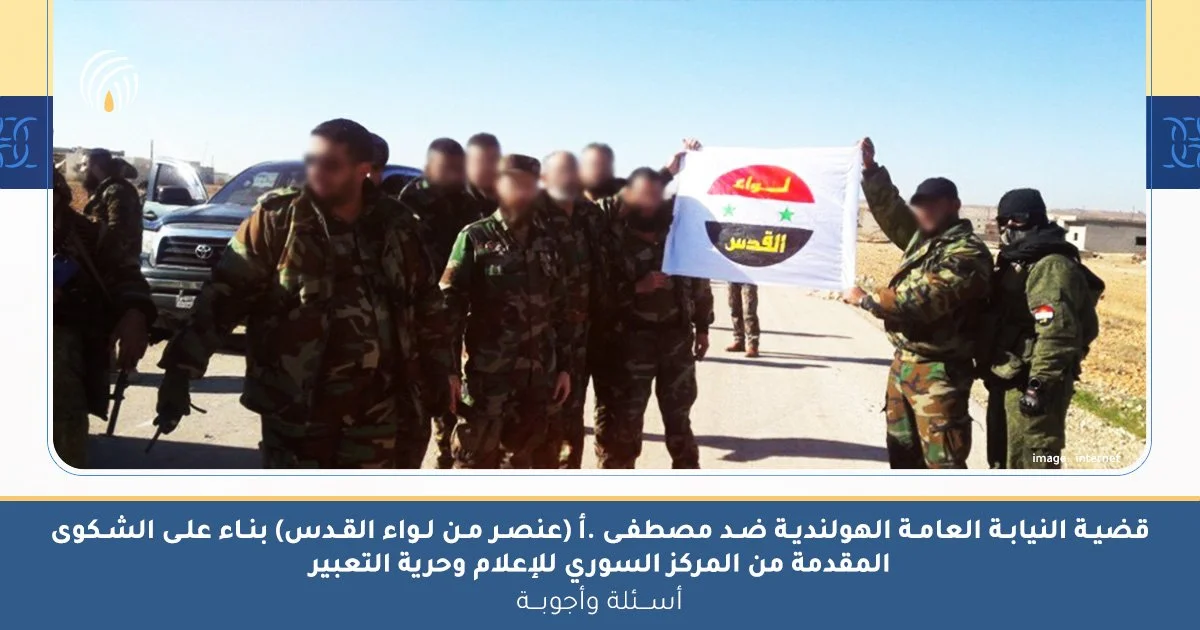
Press Release: Justice Catches Up With War Criminals in Syria – The Hague Court of Appeal Convicts a Member of the Quds Brigade The Syrian Center for Media and Freedom of Expression (SCM) shared a press release on a landmark judicial development concerning crimes committed in Syria. On 27 August 2025, the Court of Appeal in The Hague upheld the conviction of Mustafa Al-Dawoodi—a 36-year-old Syrian-Palestinian and former commander in the pro-government Quds Brigade—and extended his prison sentence to 13 years. This ruling marks a critical milestone in international efforts to hold perpetrators of war crimes in Syria accountable. The court affirmed that the Quds Brigade was a criminal organisation that deliberately took part in widespread and systematic attacks against civilians, and confirmed Al-Dawoodi’s leadership role in those operations. It also upheld his conviction for involvement in the arrest and torture of Mr. Qaddoura in January 2013. In addition to the prison sentence, the court awarded Mr. Qaddoura €40,000 in moral damages, of which €5,000 will be paid by the Dutch state and the remaining €35,000 by the convicted individual. The case originated from a criminal complaint filed by SCM in cooperation with the Nuhanovic Foundation before the Dutch Public Prosecutor’s Office. The complaint accused Al-Dawoodi of participating in violent arrests, torture, and unlawful detention of civilians in Aleppo during early 2013 while serving as a unit commander in the Quds Brigade, a militia allied with the Syrian authorities. Following this complaint, Dutch authorities launched a formal investigation which led to Al-Dawoodi’s arrest in the city of Kerkrade in 2022. This is the first case of its kind in the Netherlands concerning crimes committed in Syria since 2011, and it represents a significant step forward in global efforts to combat impunity and ensure accountability for war crimes and crimes against humanity. To read more about the case, visit the link provided.
|
|
|
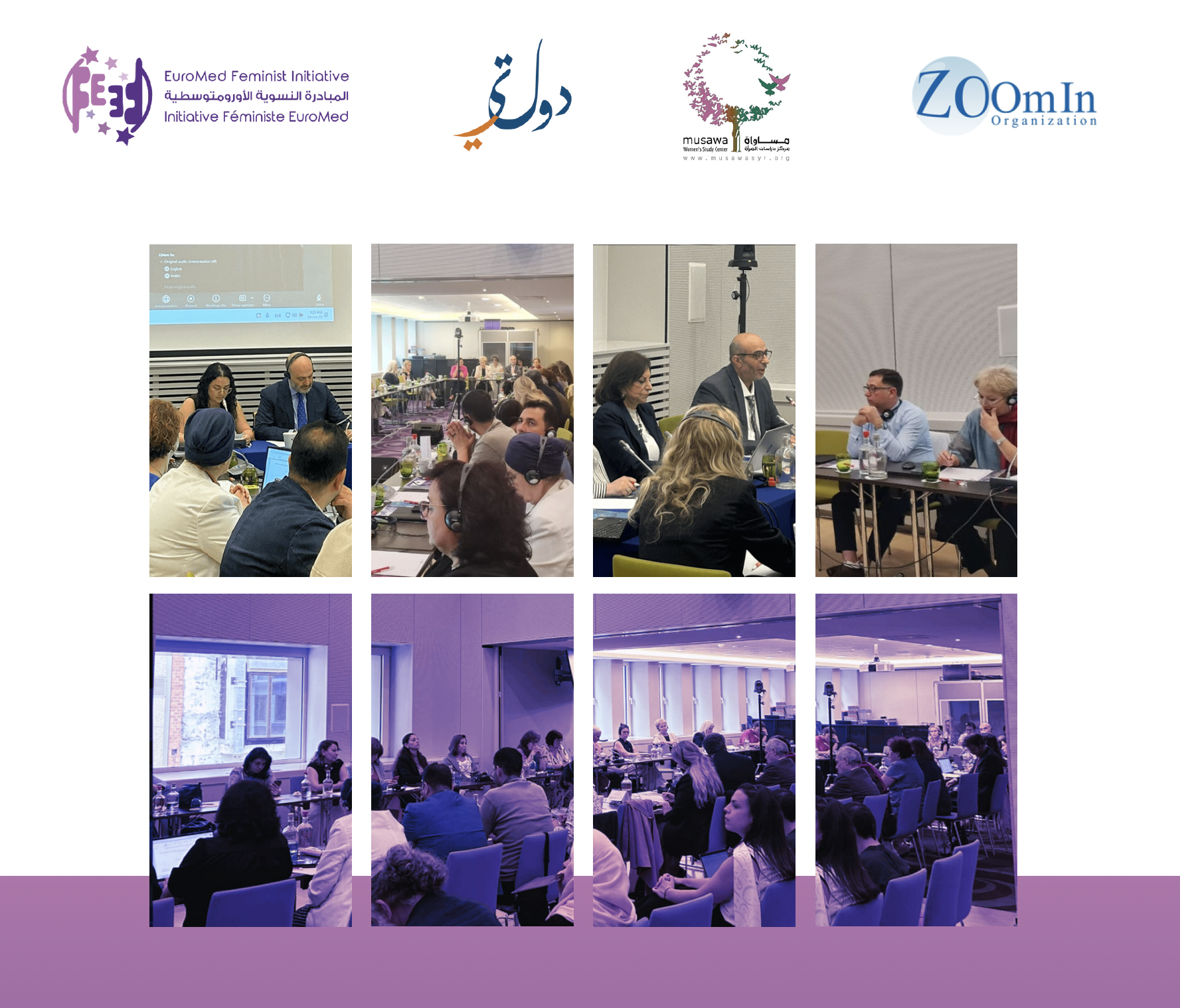
Recommendations from the Second Syrian Civil Society Conference on Women's Rights in Brussels On 24–25 June 2025, the EuroMed Feminist Initiative, Musawat, Dawlaty, and Zoom In—supported by the European Union—convened the second Syrian Civil Society Conference on Women’s Rights in Brussels. The event brought together over 60 Syrian and international stakeholders, including representatives from the EU, the European Parliament, and the Office of the UN Special Envoy for Syria. The conference aimed to strengthen the role of women in reconstruction processes and ensure their effective participation in shaping a democratic and just future for Syria. During the conference, participating organisations presented their shared vision for promoting equality, justice, inclusive citizenship, and social cohesion—building on the Common Agenda to Combat Violence Against Women and Girls, developed through broad-based consultations with over 250 Syrian stakeholders. Discussions centred on the importance of mainstreaming gender in all reconstruction efforts to ensure women’s inclusion in decision-making at all levels and their representation in governance and leadership structures. The conference concluded with the release of a comprehensive set of recommendations addressed to the Syrian Interim Government, Syrian civil society, and international donors. The recommendations called for adopting gender-responsive reconstruction policies, ensuring a minimum 30% representation of women in elected bodies and government institutions, and enacting laws that protect women’s rights—including a comprehensive law to combat violence against women and girls. They also underscored the need to embed civil society as a key actor in all reconstruction and policy processes, with a minimum of 30% of Syria-related funding earmarked for women-led organisations. Furthermore, the recommendations urged the development of gender-sensitive transitional justice mechanisms that integrate sexual violence and conflict-related abuses, and ensure women’s participation in truth commissions and constitution-drafting bodies. These recommendations affirm that women’s participation is not a supplementary choice, but a fundamental prerequisite for a sustainable democratic transition in Syria, and for ensuring inclusive justice, accountability, and reconstruction processes. For the full set of recommendations and conference outcomes, visit the link provided. |
|
|
|
Al-Ameen International Launches Major Health Sector Initiatives Al-Ameen International Organisation has launched a new package of large-scale health sector projects, under the auspices of the Syrian Ministry of Health and with the participation of the World Health Organisation, the Minister of Health, the Minister of Social Affairs and Labour, and the Minister of Disaster Management and Emergency Response, alongside several international partners and humanitarian health actors. The total value of the projects stands at $30 million USD, with the aim of strengthening the resilience of the healthcare system amid ongoing humanitarian and epidemiological challenges. The initiatives focus on rehabilitating and equipping hospitals and health centres, expanding the reach of essential health services, and ensuring access to care for the most vulnerable populations across Syrian governorates. The projects also include the provision of urgent medical supplies and pharmaceuticals, as well as the establishment of specialised departments for the treatment of chronic illnesses and epidemics. In parallel, the initiative seeks to enhance the capacity of medical and technical staff through specialised training programmes designed to raise professional standards and improve the quality of healthcare delivery. The projects will also strengthen rapid response systems for public health emergencies and natural disasters. During the launch event, participants stressed the importance of these interventions in closing critical healthcare gaps—particularly in fragile areas where citizens continue to face compounded hardship due to declining basic services and limited resources. To watch the full video of the launch ceremony, visit the link provided.
|
Events at Madaniya Headquarters – Damascus
|
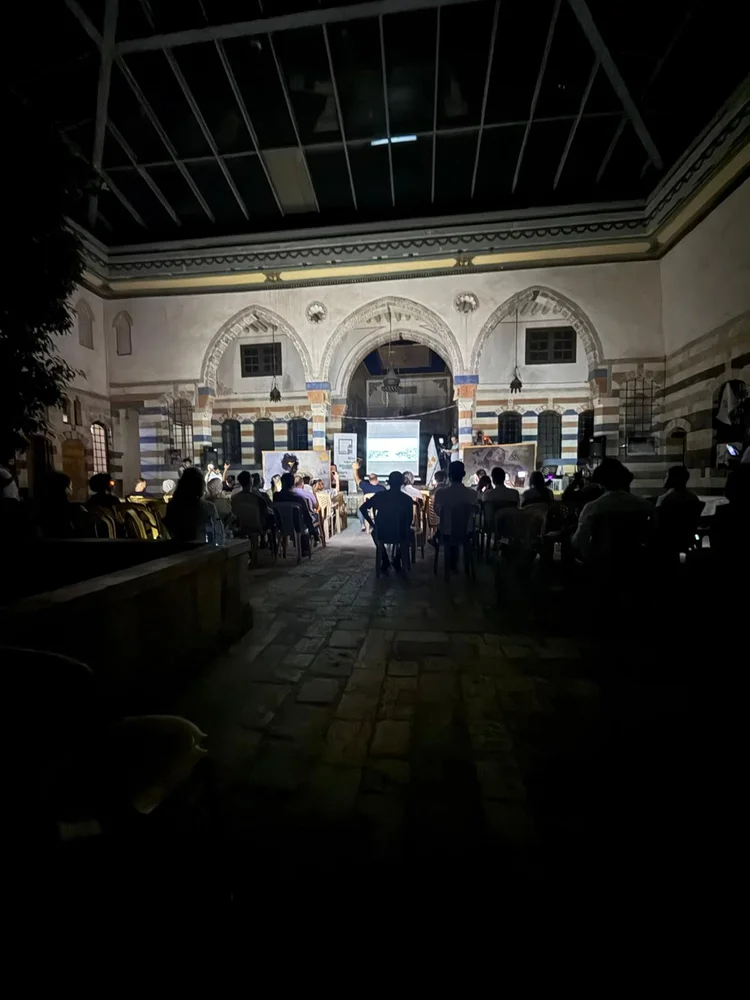
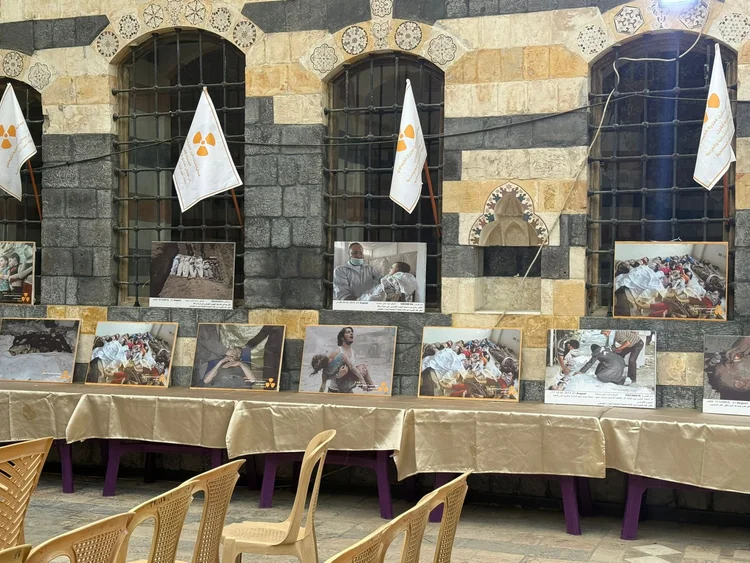
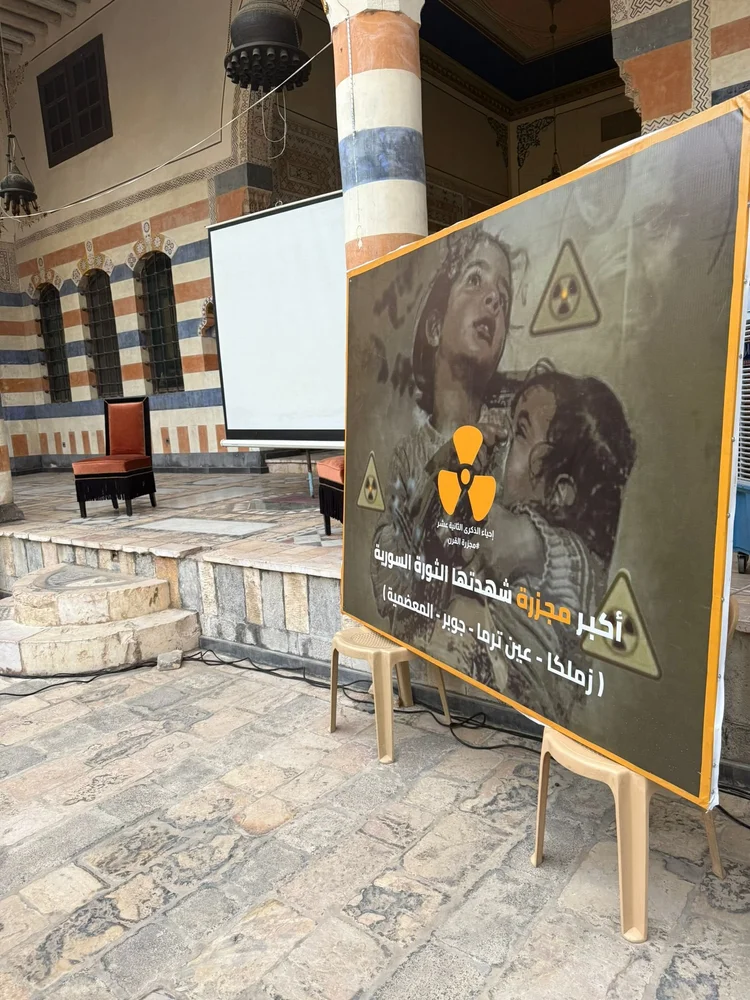
Syrian Youth Empowerment Initiative: Dialogue in Damascus on Higher Education Opportunities On 15 August 2025, Madaniya hosted an introductory dialogue session under the Syrian Youth Empowerment Initiative, dedicated to exploring opportunities for pursuing higher education abroad. The session aimed to familiarise high school, university, and master’s students with the requirements and conditions of various academic programmes, while also offering them the chance to raise questions directly with experts and peers. The event created an open space for meaningful exchange between aspiring students and alumni who had already experienced higher education opportunities abroad, fostering peer learning, sharing practical advice, and building confidence for those preparing to take the next steps in their academic journeys. This initiative reflects Madaniya’s broader commitment to empowering Syrian youth, expanding access to education, and equipping the next generation with the knowledge and tools needed to shape a more just and democratic future. Commemorating the Chemical Massacre: 12 Years On On 22 August 2025, Madaniya hosted a joint memorial event organised by the Association of Chemical Attack Victims, the Women's Support and Empowerment Centre, and the Anbar Community Centre, marking the twelfth anniversary of the chemical massacre committed by the former regime in Eastern and Western Ghouta in August 2013. The event included a silent vigil in honour of the victims, the screening of archival footage and first-hand testimonies from survivors and families of the deceased and injured, as well as a photo exhibition presenting legal and forensic evidence related to the attack. The space also offered room for powerful contributions from attendees, who collectively emphasised the urgent need for justice, accountability, and sustained support for victims' families and survivors. The memorial underscored the deep psychological scars left by the massacre and the continued call for international action to hold perpetrators accountable. It also served as a reminder that memory, justice, and truth remain essential pillars for any meaningful path forward in Syria. Protecting Urban Nature: A Dialogue on Green Spaces in Damascus On 24 August 2025, the Syrian Society for Wildlife Conservation held a public lecture titled “Green Spaces in Damascus: Prospects and Challenges” at Madaniya’s Damascus headquarters. The session explored the vital importance of preserving urban green areas amid mounting environmental and urban pressures. Speakers highlighted the ecological, social, and psychological value of green spaces, particularly in a city struggling with rapid urbanisation and resource scarcity. The discussion also included a review of potential policy solutions and community-driven proposals to safeguard existing parks and promote sustainable urban planning.
|
In this section, we highlight the latest reports and updates issued by Syrian institutions or concerning Syria during the past month.
|
UN Commission Uncovers Widespread and Systematic Violence in Syria’s Coastal Region – March 2025 On 27 August 2025, the UN Independent International Commission of Inquiry on Syria released the findings of its latest investigation into the violent incidents that occurred in Syria’s coastal region and Hama Governorate during March 2025. The report concluded that the events were neither isolated nor limited to localised clashes, but rather constituted widespread and systematic attacks deliberately targeting civilians — in clear violation of international humanitarian law. According to the Commission, grave violations were committed by armed groups affiliated with the transitional authorities, including extrajudicial killings, arbitrary detention, torture, large-scale looting, and sectarian-based forced displacement. The report situates these acts within a broader context of longstanding social tensions, describing a concerning pattern of organised violence that threatens Syria’s social fabric and deepens existing divisions. The Commission warned that the lack of accountability and the continued impunity of perpetrators risk the recurrence of similar abuses in other regions, including Suwayda and southern Syria, where signs of violence are already on the rise. It called on all parties, including the transitional authorities, to take immediate measures to protect civilians, uphold international humanitarian law, and adhere to human rights principles. The report also stressed the legal and moral responsibility of the international community to pursue accountability and justice. It urged stronger support for existing mechanisms of justice and the prevention of atrocities, and emphasised the need to link these efforts to a broader transitional justice process that centres victims, guarantees reparations, and helps rebuild trust among Syrians. To read the full report, visit the provided link
|
UN Experts Sound Alarm Over Escalating Attacks on the Druze Community in Suwayda and Call for Urgent Civilian Protection In a statement released on 25 August 2025, UN human rights experts expressed deep concern over the alarming wave of grave violations committed against civilians from the Druze community in Suwayda Governorate, amidst escalating violence in the region since mid-July 2025. The statement documented serious abuses including sexual violence against women and girls, extrajudicial killings, abductions, torture, and forced displacement. The experts stressed that these acts should not be dismissed as isolated incidents or limited local clashes, but rather as part of a widespread and systematic pattern of sectarian attacks, posing a direct threat to Syria’s fragile social fabric and intensifying communal divisions. They warned that the current trajectory signals a high risk of such violations spreading to other regions in Syria, particularly in the continued absence of accountability and the lack of effective civilian protection mechanisms. The UN experts called on all parties, including transitional authorities and local actors, to take immediate and concrete steps to protect civilians. This includes ensuring safe evacuation corridors, unimpeded humanitarian access, and conducting independent and transparent investigations into all reported violations, with full accountability for perpetrators. The statement further urged the international community to uphold its legal and moral responsibilities to protect the population in Suwayda and southern Syria, and to support ongoing efforts to prevent further atrocities. This includes strengthening national and international justice and accountability mechanisms, and ensuring that a comprehensive transitional justice process — centred on victims — is pursued to address the root causes of violence, enable reparations, and restore trust among Syrians. To read the full statement, follow the link provided
|
| | |


Comments